
Home security starts with your locks, but knowing how to properly maintain and manage them is just as important as having quality hardware installed. As homeowners in Farmingdale, NY, protecting your family and property should be a top priority. Whether you've just moved into a new home or you've been settled for years, understanding basic locksmith safety principles can make the difference between a secure home and a vulnerable one. In this comprehensive guide, we'll share essential safety tips that every homeowner should know to keep their property protected.
Always Rekey Locks When Moving Into a New Home
One of the most critical yet often overlooked safety tips is rekeying your locks immediately after moving into a new home. You have no way of knowing how many copies of the keys exist or who might have access to them. Previous owners, their family members, real estate agents, contractors, and even former tenants could potentially have keys to your home.
Rekeying is more cost-effective than replacing all your locks entirely and provides the same level of security by creating a completely new key configuration. This process should be done within the first few days of moving in, before you've fully settled and while your home security is still fresh in your mind. A professional locksmith can typically rekey all the locks in your home in just a few hours, giving you complete peace of mind that you're the only one with access.
Never Hide Spare Keys in Obvious Places
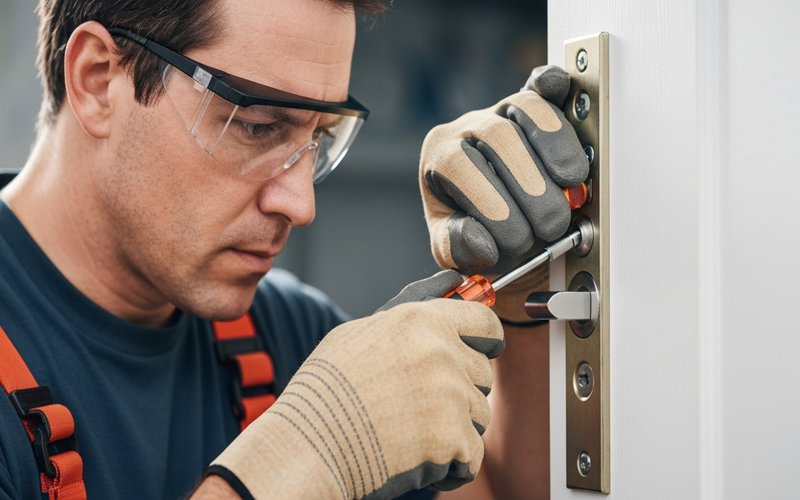
While hiding a spare key outside might seem convenient, it's one of the most common security mistakes homeowners make. Burglars know all the typical hiding spots:
- Under doormats or welcome mats
- Inside fake rocks or garden decorations
- Above door frames
- Under flower pots
- Inside mailboxes
Upgrade to High-Security Locks
Not all locks are created equal, and standard builder-grade locks often provide minimal protection against determined intruders. High-security locks feature advanced mechanisms that resist picking, drilling, and bumping—common techniques used by burglars.
Consider upgrading to deadbolts with at least a one-inch throw bolt and a reinforced strike plate secured with three-inch screws that anchor into the door frame. Look for locks with a Grade 1 rating from the American National Standards Institute (ANSI), which represents the highest level of security for residential locks. While these locks cost more upfront, they provide significantly better protection and can even lower your homeowner's insurance premiums.
Maintain Your Locks Regularly
Like any mechanical device, locks require regular maintenance to function properly. Sticky, difficult-to-turn locks aren't just annoying—they're often a sign that internal components are wearing out, potentially making your lock easier to compromise.
Maintain your locks by lubricating them twice a year with graphite powder or a silicone-based lubricant. Avoid using WD-40 or oil-based products, as these attract dust and grime that can gum up the mechanism over time. Check that all screws on door hardware remain tight, as loose components can make locks easier to force. If a lock becomes increasingly difficult to operate, don't wait until it fails completely—call a professional locksmith to inspect and repair or replace it before it becomes a security vulnerability.
Implement Proper Key Control Practices
How you manage your keys plays a crucial role in home security. Treat your house keys with the same care you'd give your credit cards or important documents. Never label keys with your address or any identifying information. If your keys are lost or stolen, the finder should have no way to connect them to your home.
Avoid leaving keys in your car, even when parked in your own driveway, as vehicles are common theft targets. Be mindful of who you give keys to—housekeepers, dog walkers, and contractors should receive keys only when necessary, and you should rekey or change locks when their services are no longer needed. Consider using a key tracking system or app to log who has keys to your home and when they were issued.
Secure All Entry Points, Not Just the Front Door
Homeowners often focus on front door security while neglecting other vulnerable entry points. Burglars know this and frequently target back doors, side doors, and garage entries because they're typically less visible and less secure than front entrances.
Ensure every exterior door has a quality deadbolt lock, regardless of how infrequently you use it. Sliding glass doors should have a security bar or pin lock in addition to their standard latch. Don't forget about the door connecting your garage to your home—this should be as secure as any exterior door since garages are relatively easy to access. Windows should also have locks, and first-floor windows might benefit from additional security measures like window bars or security film.
Know When to Call a Professional Locksmith
While some lock-related tasks are DIY-friendly, many situations require professional expertise. Attempting complex lock work yourself can result in damage that's more expensive to repair than calling a professional from the start.
Call a professional locksmith when you're locked out of your home, as forcing entry can damage doors and frames. If you've experienced a break-in or attempted break-in, a locksmith can assess the damage and recommend security upgrades. When keys break off inside locks, extraction requires specialized tools to avoid damaging the lock cylinder. If you're upgrading to smart locks or high-security systems, professional installation ensures everything functions correctly and maintains manufacturer warranties.
Be Cautious When Hiring Locksmith Services
Unfortunately, locksmith scams are common, with fraudulent companies quoting low prices only to dramatically increase charges once they arrive. Protect yourself by researching locksmiths before you need emergency services.
Choose a locksmith with a physical address in your local area—here in Farmingdale, working with an established local business ensures accountability and faster response times. Check online reviews and verify licensing and insurance. Get price quotes in writing before work begins, and be wary of companies that won't provide estimates. Legitimate locksmiths should arrive in marked vehicles and wear uniforms or identification.
Conclusion: Prioritize Your Home Security Today
Implementing these locksmith safety tips is an investment in your family's security and peace of mind. From rekeying locks in a new home to maintaining existing hardware and knowing when to call professionals, these practices create layers of protection that deter criminals and keep your Farmingdale home safe.
Don't wait until a security incident occurs to address your home's vulnerabilities. If you have questions about your current locks, need to upgrade your security systems, or want a professional security assessment of your home, Farmingdale Locksmith is here to help. Our experienced team serves homeowners throughout Farmingdale, NY, providing reliable, honest service at fair prices. Contact us today at our location at 231-183 Main St, Farmingdale, NY, 11735, and let us help you create a comprehensive security plan tailored to your home's specific needs.